
The case study examines a creative agency facing high turnover, stressed management, and disengaged employees. After implementing distributed leadership, where teams set their own targets and make their own decisions, the company saw reduced turnover, lower sick days, improved client satisfaction, and increased revenue and profitability.
Author Archives: Katrin Shaw
Get started with self-management

Companies that prioritize employee happiness and trust see increased success. Taking a self-management approach and focusing on Maslow’s Hierarchy of Needs can lead to improved motivation and financial stability. By giving employees autonomy and addressing their basic needs, organizations can foster engagement and productivity. Encouraging innovation and change can further enhance teamwork and performance.
How to improve your talent retention and attraction: what employees want

This post discusses employee turnover and offers advice for improving talent retention. It covers red flags to avoid in the workplace, green flags to look for, and key questions to ask employees. Emphasizing the importance of autonomy, clear goals, and support, it suggests treating employees like adults and focusing on engagement to retain talent effectively.
What makes a brave leader?

Brave leaders support their team with transparency, trust, and empowerment, allowing them to align with the organization’s purpose and make decisions. This nurturing environment encourages learning through experimentation and tolerance of failure. Leaders also provide the necessary resources and technology for effective communication and decision-making.
What makes a great company culture?

Listening is the most important inter-relational skill to make a great organisational culture. It creates psychological safety for people to speak up. Practices like circle meetings and the consent process facilitate open communication and decision-making. Leaders are called to prioritize listening and collaboration to address barriers and implement changes. Starting conversations with “why” and engaging in open dialogue can uncover shared purpose and facilitate innovation.
Why should we promote ongoing learning?
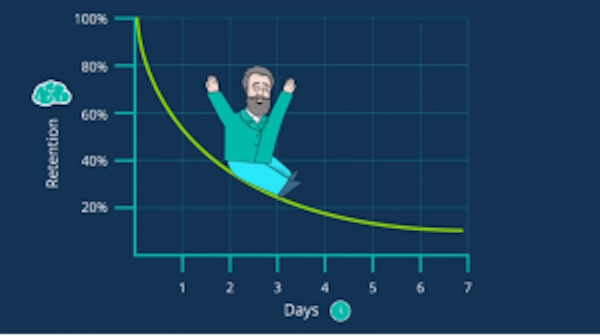
The Forgetting Curve explains how we lose half of what we learn in one day. To promote ongoing learning, we need social interaction and autonomy over when and how we learn. By providing learning experiences aligned with employees’ jobs, companies can drive better performance, satisfaction, and ultimately, business success. Collaborative spaces and a learning culture contribute to professional growth and organizational improvement.
Treat your people like human beings, not human resources

Genuine connections are vital in all relationships, fostering respect, trust, and consideration. A unified purpose and humane treatment of employees are crucial for business success. Understanding and investing in employee development, offering flexibility, and trusting their abilities are key to retaining talent and accommodating future workforce needs, ultimately leading to a thriving work environment.
 GoFish! Collective