
Listening is the most important inter-relational skill to make a great organisational culture. It creates psychological safety for people to speak up. Practices like circle meetings and the consent process facilitate open communication and decision-making. Leaders are called to prioritize listening and collaboration to address barriers and implement changes. Starting conversations with "why" and engaging in open dialogue can uncover shared purpose and facilitate innovation.
Why do Organisations need more trained Facilitators?

The lack of cohesion in organizations can be addressed by incorporating Open Space Technology (OST) and training facilitators in this approach. OST fosters cross-departmental collaboration, promotes innovation, and enhances stakeholder dialogues. However, challenges such as the absence of clear agendas and the need for skilled facilitators hinder its widespread use in organizations. By embracing OST, companies can transition to a more adaptive and responsive organizational model.
Community or Organisational Learning Lab Centres

In the 21st century, individuals and organizations require new skills to navigate unpredictability and complexity. Traditional education falls short, leading to the need for "Social Learning" and self-organized "Learning Labs" where diverse participants collaborate to practice essential new skills. This approach fosters a learning organization culture and encourages peer-to-peer cross-functional co-learning.
Distributed Leadership anchored in the Power to Object

The blog post discusses the Japanese lean manufacturing practice known as 'Andon', where each employee is empowered to stop the production line if they encounter a quality or safety issue. The post likens this practice to 'Sociocracy', an organizational structure that enables all members to have equivalence in decision-making, promoting collective wisdom to refine decisions and overcome objections. The author argues that replacing opposition-based democracy with consent-based sociocracy can enable more efficient and inclusive decision-making in organizations.
Why should we promote ongoing learning?
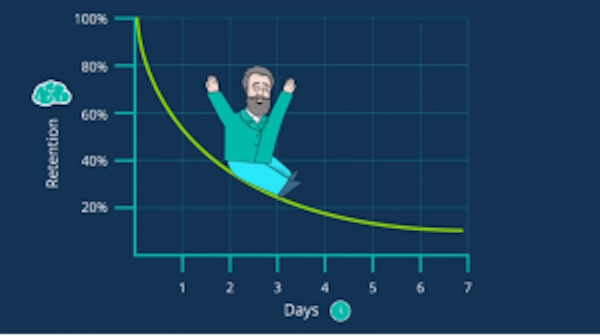
The Forgetting Curve explains how we lose half of what we learn in one day. To promote ongoing learning, we need social interaction and autonomy over when and how we learn. By providing learning experiences aligned with employees' jobs, companies can drive better performance, satisfaction, and ultimately, business success. Collaborative spaces and a learning culture contribute to professional growth and organizational improvement.
Lean, Agile, Teal …. how does sociocracy fit in?
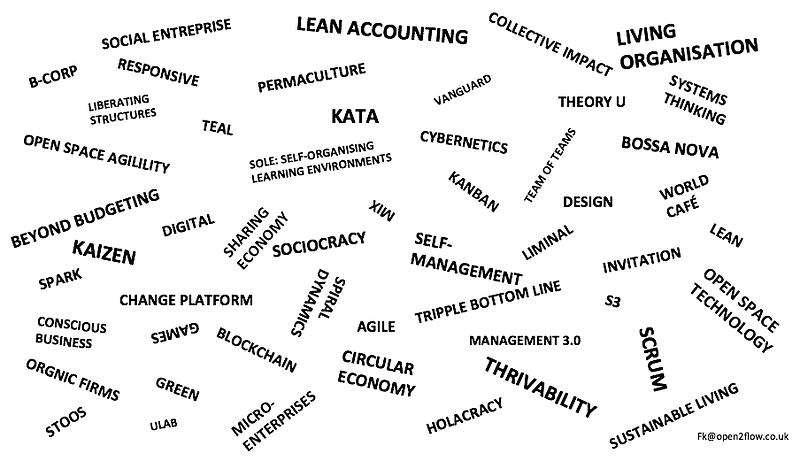
The sociocratic approach emphasizes human-centeredness and forming communities where everyone's voice is respected. While technically about governance, decision-making, and distributed leadership, sociocracy mirrors the focus on human development central to other methodologies like Lean and Agile. However, the digital future presents a mechanistic approach – contrasting with the organic, emergent thinking of sociocracy. Despite this, sociocracy contributes to a vision of workplaces as collaborative environments of self-development, learning, and joy. Therefore, diversity of methods should coexist, providing balanced ingredients toward creating human-first workplaces.
Treat your people like human beings, not human resources

Genuine connections are vital in all relationships, fostering respect, trust, and consideration. A unified purpose and humane treatment of employees are crucial for business success. Understanding and investing in employee development, offering flexibility, and trusting their abilities are key to retaining talent and accommodating future workforce needs, ultimately leading to a thriving work environment.
Is Hierarchy Toxic?

The discussion on hierarchy in organizations is contentious, with some emphasizing its necessity for order while others decry its negative impact. Despite its potential for toxic power dynamics, hierarchy itself is not inherently harmful. A reimagined approach, exemplified by grassroots neighborhood parliaments, highlights hierarchy's potential as a bridging tool for empowered decision-making and community service.
 GoFish! Collective