
The GoFish! Collective examines the systemic issues in modern education, highlighting control, conformity, and fear as barriers to creativity. They argue that traditional models prioritize obedience over curiosity, leading to anxiety and disconnection among students. The conversation emphasizes the need for transformative, presence-based education that nurtures individual potential and fosters inquiry.
Tag Archives: education
How to develop future Leaders:

Leaders and organizations encounter challenges in today’s fast-changing world. The need for new leadership skills to adapt to volatile, uncertain, complex, and ambiguous environments is urgent. Developing leadership capabilities for a broad range of employees is crucial, but traditional education pathways may not meet current demands. New methods for delivering education, such as the Personal Learning Cloud (PLC), provide customizable and effective options. However, there is a call for more emphasis on social, embodied, holistic, scaffolded, and dynamic learning experiences to prepare leaders for the complexities of today’s world.
Community or Organisational Learning Lab Centres

In the 21st century, individuals and organizations require new skills to navigate unpredictability and complexity. Traditional education falls short, leading to the need for “Social Learning” and self-organized “Learning Labs” where diverse participants collaborate to practice essential new skills. This approach fosters a learning organization culture and encourages peer-to-peer cross-functional co-learning.
Why should we promote ongoing learning?
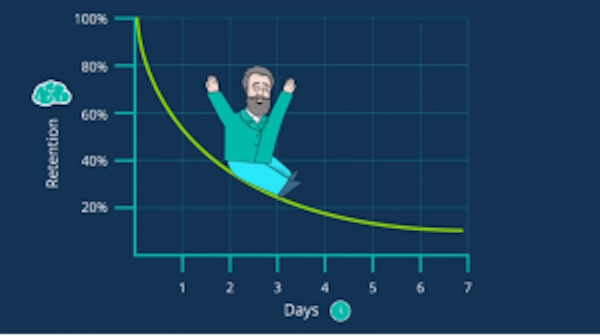
The Forgetting Curve explains how we lose half of what we learn in one day. To promote ongoing learning, we need social interaction and autonomy over when and how we learn. By providing learning experiences aligned with employees’ jobs, companies can drive better performance, satisfaction, and ultimately, business success. Collaborative spaces and a learning culture contribute to professional growth and organizational improvement.
Is Hierarchy Toxic?

The discussion on hierarchy in organizations is contentious, with some emphasizing its necessity for order while others decry its negative impact. Despite its potential for toxic power dynamics, hierarchy itself is not inherently harmful. A reimagined approach, exemplified by grassroots neighborhood parliaments, highlights hierarchy’s potential as a bridging tool for empowered decision-making and community service.
 GoFish! Collective