The article emphasizes a necessary paradigm shift in leadership and collaboration, advocating for a more inclusive, community-focused approach over traditional patriarchal models. It introduces Transformative Social Systems (TSS), emphasizing skills like co-creation and deep listening. The authors call for democratic, collective leadership development that transcends individualism and encourages cooperation for tackling contemporary challenges effectively.
Tag Archives: learning
Unlearning Education: From Control to Curiosity

The GoFish! Collective examines the systemic issues in modern education, highlighting control, conformity, and fear as barriers to creativity. They argue that traditional models prioritize obedience over curiosity, leading to anxiety and disconnection among students. The conversation emphasizes the need for transformative, presence-based education that nurtures individual potential and fosters inquiry.
Zoom on Emergence: a GoFish! Collective conversation
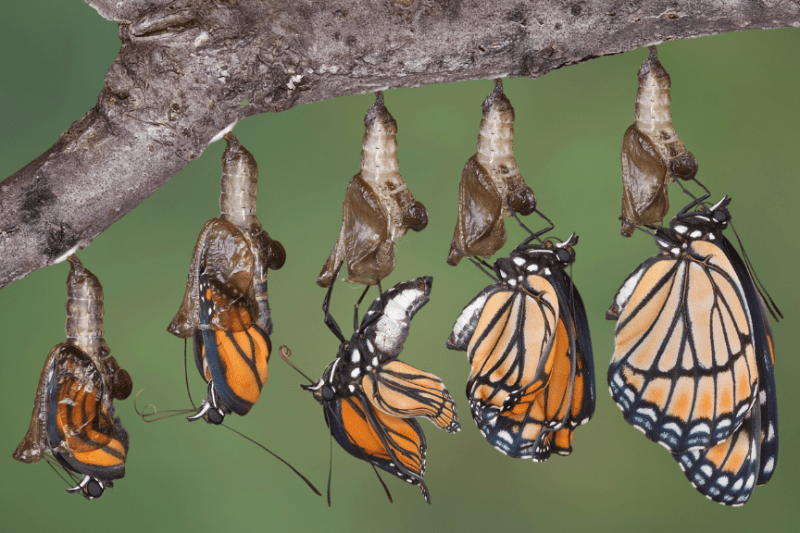
The GoFish! Collective meeting highlighted the balance between structure and surrender, exploring the themes of control, emergence, and the importance of psychological safety. Members shared personal reflections, emphasizing the necessity of trust and curiosity in fostering genuine collaboration. The dialogue revealed that meaning is co-created, relying on interpretation and engagement.
Where are we at? Insight into the collective state.

GoFish! Collective’s meeting highlighted the significance of open dialogue in fostering organizational success. Members Kat, Joanna, Francois, and Brett candidly discussed challenges and frustrations, emphasizing the need for sustained energy, mutual accountability, and a clear collective vision. Their reflective approach showcased how vulnerability can drive transformative change within the group and community.
How to develop future Leaders:

Leaders and organizations encounter challenges in today’s fast-changing world. The need for new leadership skills to adapt to volatile, uncertain, complex, and ambiguous environments is urgent. Developing leadership capabilities for a broad range of employees is crucial, but traditional education pathways may not meet current demands. New methods for delivering education, such as the Personal Learning Cloud (PLC), provide customizable and effective options. However, there is a call for more emphasis on social, embodied, holistic, scaffolded, and dynamic learning experiences to prepare leaders for the complexities of today’s world.
From Force to Flow

The blog post emphasizes the shift from traditional to modern thinking, advocating for empowerment over control in leadership. It promotes self-managing teams and autonomy, urging leaders to embrace change for 21st-century success. The author encourages readers to join the Reinventing Work movement, promoting organizational evolution and empowerment.
Stress Cleanse Your Workplace

Stress in the workplace is most often due to difference between reality and expectations. Leaders can reduce stress by being authentic and valuing individuality. Creating a low-pressure environment helps to produce a “flow” state, which increases individual and team performance.
How to improve your talent retention and attraction: what employees want

This post discusses employee turnover and offers advice for improving talent retention. It covers red flags to avoid in the workplace, green flags to look for, and key questions to ask employees. Emphasizing the importance of autonomy, clear goals, and support, it suggests treating employees like adults and focusing on engagement to retain talent effectively.
Organisational Culture – Embodied Learning in a New Simulation

Participants of an online people simulation exploring organizational culture found the experience fun, challenging, and eye-opening. By immersing themselves in different organizational cultures, they gained valuable insights into collaboration, team building, and the impact of cultural norms and behaviors on individuals. The simulation provides a unique, embodied learning experience, making it a powerful tool for navigating organizational change and fostering deep conversations and new possibilities.
What makes a great company culture?

Listening is the most important inter-relational skill to make a great organisational culture. It creates psychological safety for people to speak up. Practices like circle meetings and the consent process facilitate open communication and decision-making. Leaders are called to prioritize listening and collaboration to address barriers and implement changes. Starting conversations with “why” and engaging in open dialogue can uncover shared purpose and facilitate innovation.
Community or Organisational Learning Lab Centres

In the 21st century, individuals and organizations require new skills to navigate unpredictability and complexity. Traditional education falls short, leading to the need for “Social Learning” and self-organized “Learning Labs” where diverse participants collaborate to practice essential new skills. This approach fosters a learning organization culture and encourages peer-to-peer cross-functional co-learning.
Why should we promote ongoing learning?
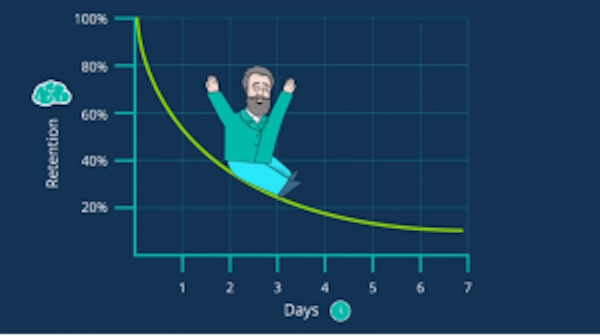
The Forgetting Curve explains how we lose half of what we learn in one day. To promote ongoing learning, we need social interaction and autonomy over when and how we learn. By providing learning experiences aligned with employees’ jobs, companies can drive better performance, satisfaction, and ultimately, business success. Collaborative spaces and a learning culture contribute to professional growth and organizational improvement.
Is Hierarchy Toxic?

The discussion on hierarchy in organizations is contentious, with some emphasizing its necessity for order while others decry its negative impact. Despite its potential for toxic power dynamics, hierarchy itself is not inherently harmful. A reimagined approach, exemplified by grassroots neighborhood parliaments, highlights hierarchy’s potential as a bridging tool for empowered decision-making and community service.
 GoFish! Collective