
A collective reflection from GoFish! CollectiveBy Joanna Staniszewska with Katrin Shaw, François Knuchel, and Brett Sadler In a recent GoFish! Collective conversation, we didn’t set out to discuss time. But like many important things, the topic emerged on its own — uninvited but necessary. We found ourselves sitting inside a shared tension: calendars that overflow,ContinueContinue reading “Emergence vs. Structure: A Collective Reflection”
Tag Archives: management
Embracing Complexity in Organisations

In today’s increasingly complex world, traditional leadership models struggle to address the challenges brought forth by VUCA (Volatility, Uncertainty, Complexity, Ambiguity). The current hierarchical management methods are counter-productive, exacerbating the challenges of VUCA. To thrive in this environment, organizations and individuals must develop VUCA skills, embrace rich interconnectivity, and cultivate adaptive leadership.
Get started with self-management

Companies that prioritize employee happiness and trust see increased success. Taking a self-management approach and focusing on Maslow’s Hierarchy of Needs can lead to improved motivation and financial stability. By giving employees autonomy and addressing their basic needs, organizations can foster engagement and productivity. Encouraging innovation and change can further enhance teamwork and performance.
Stress Cleanse Your Workplace

Stress in the workplace is most often due to difference between reality and expectations. Leaders can reduce stress by being authentic and valuing individuality. Creating a low-pressure environment helps to produce a “flow” state, which increases individual and team performance.
How to improve your talent retention and attraction: what employees want

This post discusses employee turnover and offers advice for improving talent retention. It covers red flags to avoid in the workplace, green flags to look for, and key questions to ask employees. Emphasizing the importance of autonomy, clear goals, and support, it suggests treating employees like adults and focusing on engagement to retain talent effectively.
What makes a brave leader?

Brave leaders support their team with transparency, trust, and empowerment, allowing them to align with the organization’s purpose and make decisions. This nurturing environment encourages learning through experimentation and tolerance of failure. Leaders also provide the necessary resources and technology for effective communication and decision-making.
Lean, Agile, Teal …. how does sociocracy fit in?
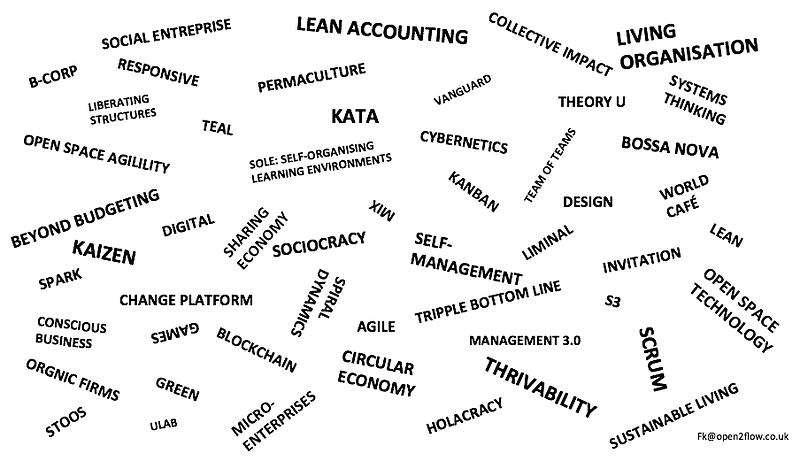
The sociocratic approach emphasizes human-centeredness and forming communities where everyone’s voice is respected. While technically about governance, decision-making, and distributed leadership, sociocracy mirrors the focus on human development central to other methodologies like Lean and Agile. However, the digital future presents a mechanistic approach – contrasting with the organic, emergent thinking of sociocracy. Despite this, sociocracy contributes to a vision of workplaces as collaborative environments of self-development, learning, and joy. Therefore, diversity of methods should coexist, providing balanced ingredients toward creating human-first workplaces.
Treat your people like human beings, not human resources

Genuine connections are vital in all relationships, fostering respect, trust, and consideration. A unified purpose and humane treatment of employees are crucial for business success. Understanding and investing in employee development, offering flexibility, and trusting their abilities are key to retaining talent and accommodating future workforce needs, ultimately leading to a thriving work environment.
 GoFish! Collective